Potassium Carbonate, Contributing to Better Chocolate

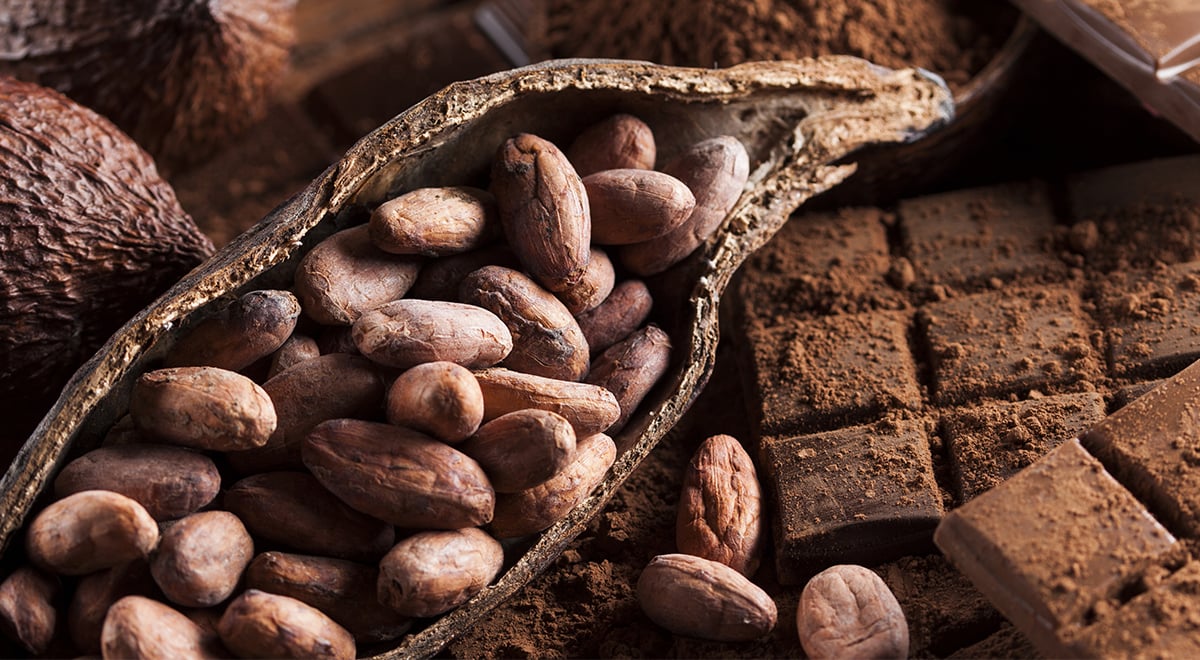
The origins of chocolate stretch back to the 18th century when a Swedish botanist, Carolus Linnaeus, gave the cocoa tree its Greek name Theobroma Cacao, which means “food of the Gods.” However, it was during the 19th century that many of the innovations and improvements in chocolate production were developed. The first conche (a machine, used during the manufacture of chocolate, which mixes and smooths the chocolate mass) was developed in 1879 by Rudolph Lindt. Daniel Peter found a way to blend milk into chocolate in 1876, and Casparus Van Houten created the cocoa press in 1828. But one of the most significant developments was the introduction of alkaline salts by Coenraad van Houten in 1828.


Innovations in PVC: Transparent Pipes for Biofuel Production

Although it may be hard to believe, biofuels have been around for as long as the automobile. Original diesel engine designs were built on the principle of using peanut oil as a fuel source. Henry Ford actually intended to use ethanol as a fuel, but the rise in availability of fossil fuels at low costs led to their dominance as a fuel source. 

Innovations in PVC: How PVC Makes Hospital Interiors Safer, More Comfortable and Durable

It may seem unusual to link innovations in PVC with hospital interiors. PVC has long been known as a hard-wearing product, which is easy to clean. However, innovations involving antimicrobial additives have now made PVC interiors an integral part of the international public health strategy to prevent the transfer of infections.

Innovations in PVC: Luxury Vinyl Tiles

The origins of vinyl flooring stretch back to the 1920s, when Waldo Lonsbury Semon first produced what is now called plasticised polyvinyl chloride (PVC). It was developed as a floor covering in 1933, due to its resilience and ease of cleaning. Until the 1990s, vinyl flooring was mainly confined to commercial buildings, hospitals, and other high traffic areas.

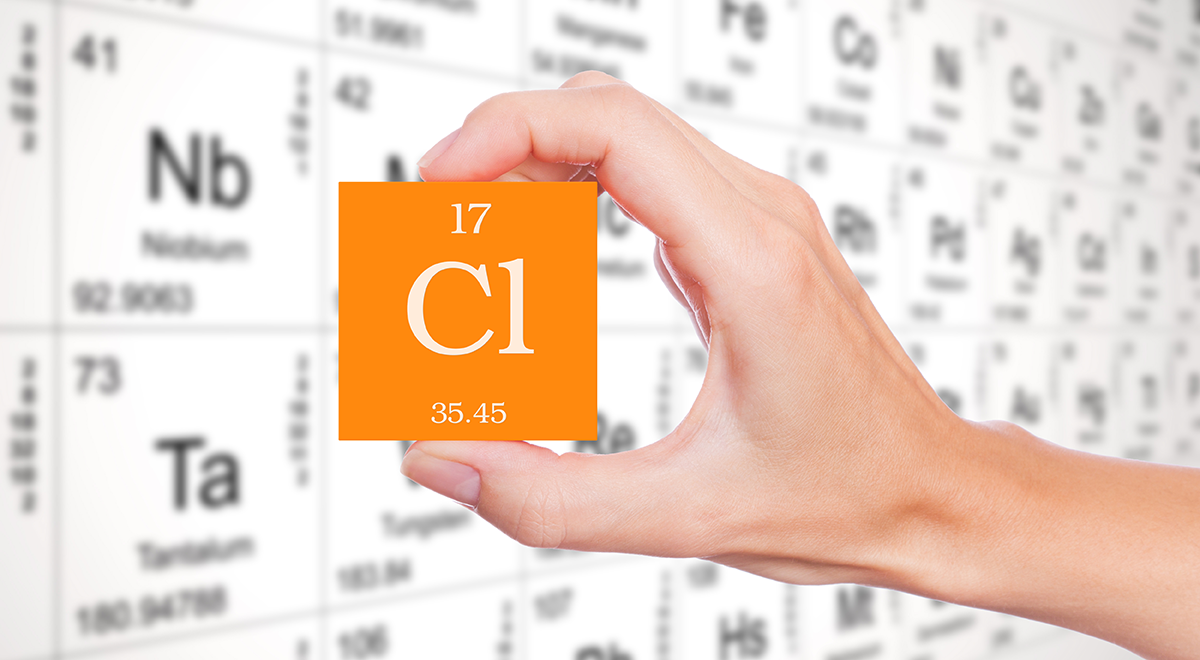
Chlorine - a Versatile Chemical Building Block

Chlorine is one of the most common chemical elements occurring in nature - even more common than carbon. It makes up 2.9% of the world’s oceans in the form of sodium chloride (salt). Chlorine’s high reactivity means that it almost never occurs on its own, but is instead always bound to another substance in compound form.

VYNOVA BLOG

Our blog offers you insights into Vynova, our products, their applications and the innovations they enable.

RECENT BLOG POSTS

CONTACT US

Do you have questions about this blog post? Keen to find out how we can positively impact your business needs?

CONTACT US